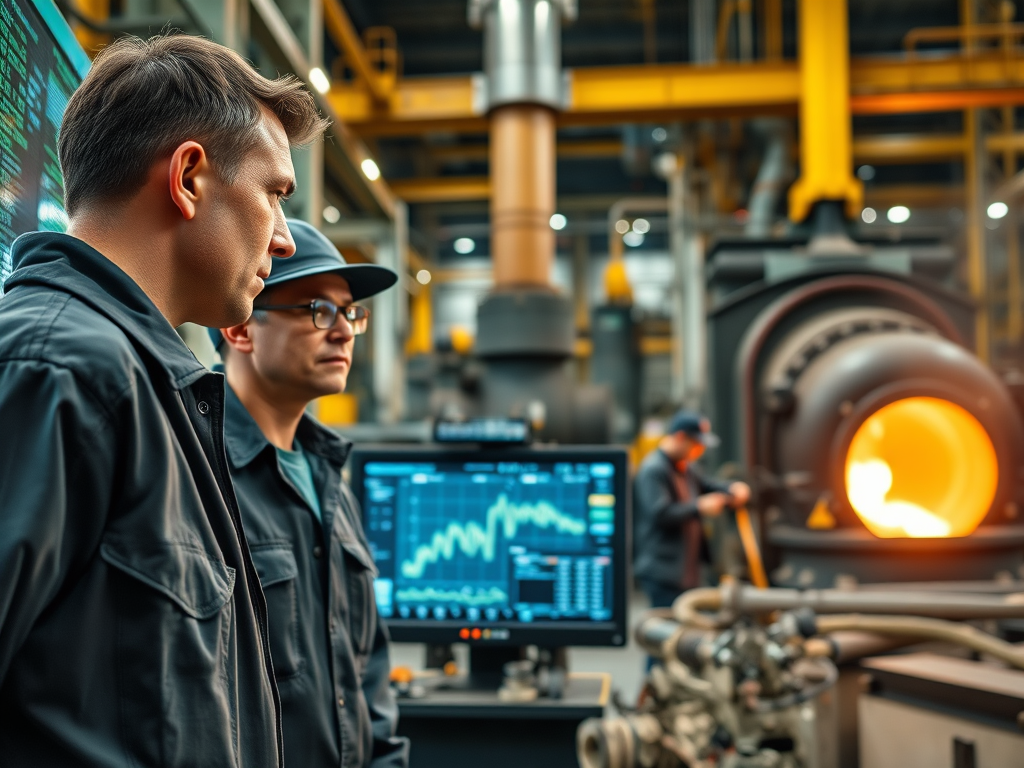
If I look back at the last 20 years or so, a big chunk of my life has been spent in factories and plants across South America. I’ve worked everywhere from steel mills in Brazil to food plants in Peru and paper mills deep in the countryside. These projects shaped how I see technology — and people — in manufacturing.
How It Started: Early Days with SAP xMII
My first real taste of manufacturing tech came in 2005, working with SAP xMII. Back then, most plants were islands — machines didn’t talk to each other, let alone to the business systems. My job was to help bridge that gap. I remember my first big project at a home appliances factory in Brazil. We connected the shop floor to the ERP, so production managers could see what was really happening in real time. It sounds basic now, but back then, it was magic. Suddenly, you could track production, spot bottlenecks, and even catch quality issues before they hit the customer. That’s when I got hooked on this work.
Steel, Metals, and Mining: The Heavy Industry Challenge
Over the years, I spent a lot of time with metals and mining companies in Brazil and Chile. These environments are tough — literally and figuratively. I worked on steel production projects where we used SAP MII to pull data from blast furnaces, rolling mills, and even old PLCs that looked like they belonged in a museum. The goal was always the same: give people on the ground better visibility, so they could make faster, safer, and smarter decisions.
One project I remember well was a steel mill in Brazil. We built a “video wall” operations center — think NASA mission control, but for steel. Operators could see everything from furnace temperatures to production rates and equipment status, all in one place. This wasn’t just for show. It helped the team reduce downtime, improve quality, and react to problems before they got out of hand. We even won some awards for that one, but honestly, the best part was seeing the operators actually use the system, not just ignore it.
In mining, the challenge was scale. Sites could stretch for miles, and you’d have equipment scattered all over the place. We used SAP MII to bring together data from crushers, conveyors, labs, and ERP. It wasn’t always pretty — sometimes you had to get creative with data collection — but it worked. The big lesson? Don’t underestimate the power of simple, reliable dashboards. People want answers, not fancy graphics.
Food & Beverage, Chemicals, and Paper: Regulated, Fast, and Always Changing
South America has a huge food and beverage industry, and I spent years helping plants in Brazil, Peru, and elsewhere get better at tracking production, quality, and compliance. One food plant in Peru stands out. We rolled out SAP MII to connect production lines, inventory, and quality control. The plant was under pressure to meet new regulatory requirements, and the old manual processes just couldn’t keep up. By automating data collection and reporting, we didn’t just make audits easier — we gave operators more time to focus on running the lines, not filling out paperwork.
In chemicals and fertilizer, compliance is everything. I worked on a phosphate fertilizer plant in Brazil where we integrated DCS (Distributed Control Systems), lab systems, and SAP MII for real-time batch tracking and quality management. This project won an award, but what stuck with me was how it helped the team catch quality issues early, saving a ton of rework and waste. And yes, it made the auditors happy.
Paper and pulp mills were another big area. These plants are complex, with lots of moving parts and a constant push for efficiency. At one site, we used SAP xMII for OEE (Overall Equipment Effectiveness) tracking. It was a simple dashboard: downtime, speed, quality. But it changed the conversation on the shop floor. Instead of arguing about why the line was down, people could see the data and work together to fix the real issues.
Oil & Gas, Energy, and the “Messy Middle”
Oil and gas projects in Brazil and Chile taught me a lot about the “messy middle” — where IT meets OT (Operational Technology). Connecting refinery control systems, tank farms, and lab data to SAP was never easy. Sometimes you’d spend more time negotiating with IT security than actually building the solution. But when it worked, the payoff was huge: more reliable production, better safety, and less finger-pointing when things went wrong. One refinery project stands out where we built real-time dashboards for operators and managers. It helped catch issues early, and — maybe more importantly — it got people talking across departments.
High Tech and Electronics: Fast, Precise, and Demanding
I also spent time with electronics and high-tech manufacturers in Brazil. These plants run fast, with little room for error. We used SAP MII to integrate production execution, traceability, and quality control. The biggest lesson here? Flexibility matters. These companies change products and processes all the time, so the systems had to keep up. I learned to build templates and accelerators — reusable building blocks — so we could roll out changes quickly without starting from scratch each time.
What Worked — And What Didn’t
Looking back, the tech was only half the battle. The real work was always about people. Operators, engineers, IT, and managers all see the world differently. The best projects happened when we spent time on the shop floor, listened to what people actually needed, and built simple solutions that solved real problems. The worst? When we tried to force fancy technology without buy-in, or made things too complicated.
One honest opinion: Most factories don’t need the latest “AI-powered, cloud-native, blockchain-enabled” platform. They need systems that work, every day, and make people’s lives easier. If you can deliver that, you’re already ahead of the game.
A Few Tools and Technologies I Used
Just to be clear (and for anyone who likes details): Most of these projects used SAP MII (Manufacturing Integration and Intelligence), sometimes SAP xMII (the earlier version), and in a few cases, SAP ME (Manufacturing Execution) for more complex execution needs. We also integrated with DCS, SCADA, OPC UA, and various historians like AVEVA PI and Aspen IP.21. In recent years, I’ve added IIoT platforms, MQTT brokers, and real-time streaming tools like Kafka and Snowflake to the mix — but the basics haven’t changed much: connect, visualize, improve.
Wrapping Up
If there’s one thing I’ve learned from all these years in South America’s factories, it’s that real change happens when technology meets real needs. The best solutions are the ones people actually use, day in and day out. And sometimes, the simplest dashboard beats the fanciest analytics platform.
Anyway, that’s a bit of my story from the shop floor. If you’re working on similar challenges, keep it simple, listen to the people who run the plant, and remember: technology is just a tool. The real magic is in how people use it.
Leave a Comment