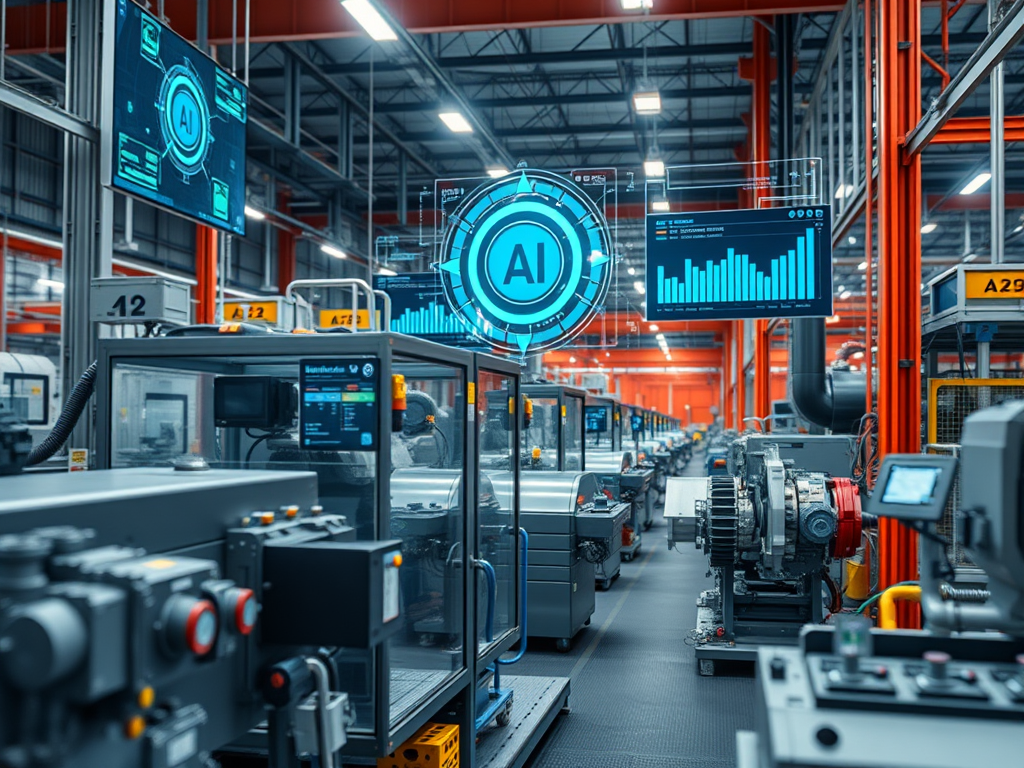
If you work in manufacturing, you’re probably tired of hearing how “data is the new oil.” I get it — but after years of connecting machines, data, and people, I can tell you: the right data and analytics tech really can change everything about how plants run. Here’s my lived take on the top 10 trends I see actually moving the needle in real-world factories — not just in PowerPoint presentations.
1. AI and Machine Learning Are Finally Useful
A few years ago, AI was mostly hype. Now, I see plants using machine learning to predict equipment failures, optimize energy usage, and even spot quality issues before they hit the line. The biggest leap? Generative AI. It’s not just about chatbots — it’s helping engineers write code for PLCs, generate maintenance instructions, and even simulate plant operations. The trick is combining old-school machine learning (like predictive maintenance) with new generative models. Lines can go from hours of unplanned downtime a week to near zero, just by letting AI flag issues early.
2. Rise of the “Unified Namespace”
Remember the days when every system — SCADA, MES, Historian — spoke its own language? Now, more manufacturers are building Unified Namespace (UNS) architectures. This means one logical “data backbone” (often MQTT or Kafka-based) for all shop floor data, making it easier for analytics, AI, and even business users to tap into real-time information. I’ve seen a few global rollouts where this has made integrating new sites much faster. The hardest part? Data governance and security — but it’s worth it.
3. Edge Analytics: Smarter Decisions, Right at the Machine
Cloud is great, but sometimes you need answers in milliseconds. Edge analytics puts lightweight AI models right on the plant floor — sometimes directly inside gateways. For example, I’ve seen vision systems on a packaging line catch defects in under 100 ms, with no round trip to the cloud. Edge also helps with privacy (think GxP compliance in the food industry) because sensitive data doesn’t have to leave the site.
4. Mature Platforms: From Device Chaos to Real Insights
Connecting hundreds of sensors used to mean a mess of protocols and dashboards. Now, mature IIoT platforms (think open APIs, plug-and-play connectors, and solid security) let you pull data from legacy machines, new robots, and even wearable tech — all into one analytics layer. On one project, we connected everything from 1980s injection molders to modern AGVs, letting the team spot bottlenecks and energy hogs in real time.
5. Real-Time Streaming and Event-Driven Architectures
Batch data is out, real-time is in. Modern plants are moving to event-driven architectures using tools like Apache Kafka, MQTT Brokers, or cloud-native streaming services. This lets teams react instantly to process upsets, inventory changes, or safety events. I’ve seen this cut response times — and it’s a game changer for things like traceability and compliance.
6. Digital Twins: Simulate, Predict, Optimize
Digital twins aren’t just 3D models anymore. These days, a good digital twin combines live sensor data, historical trends, and AI predictions. I’ve seen them used for everything from virtual commissioning (testing a new line before it’s built) to ongoing optimization (finding the best settings for energy, yield, and quality). The honest truth? Getting the data model right is hard, but even a “basic” twin can save a ton in troubleshooting and training.
7. Advanced Visualization and Self-Service Analytics
It’s not just data scientists who need insights. Operators, supervisors, and even maintenance techs now expect dashboards they can actually use. The best plants I’ve seen put simple, role-based analytics tools in everyone’s hands — whether that’s a mobile app, a big screen on the shop floor, or even AR headsets. When people can see OEE, downtime causes, or quality trends at a glance, they’re way more likely to act on the data.
8. AI-Powered Quality: From Inspection to Root Cause
Computer vision, deep learning, and anomaly detection are revolutionizing quality control. I’ve seen systems that spot tiny surface defects no human inspector could catch, or flag bad batches by analyzing sensor patterns. The secret is combining vision data with process data, so you don’t just catch defects — you actually find out why they happened.
9. Data-Driven Sustainability and Energy Analytics
Sustainability isn’t just a buzzword anymore — it’s measured, reported, and (in some industries) regulated. Plants are using analytics to track energy, water, and emissions in real time, and to optimize for both cost and carbon. I’ve seen dashboards that show the energy intensity of every product, letting teams tweak schedules and recipes to hit targets. Honest opinion: the data is usually messier than you’d think, but even rough analytics can highlight big savings.
10. Cybersecurity Analytics: Protecting Data, Not Just Devices
With all this connectivity comes risk. The best plants now use analytics to spot unusual network traffic, rogue devices, or suspicious logins — not just at the IT layer, but deep in OT networks. I’ve seen sites catch malware outbreaks early, just by monitoring for weird PLC behavior. If you’re connecting old machines, don’t skip this step — it’s way easier to prevent an attack than to recover from one.
Wrapping Up
If I had to pick one thing that separates the factories getting real value from data and analytics from those spinning their wheels, it’s this: they focus as much on people and processes as on tech. You can buy the best analytics tools in the world, but if your teams don’t trust the data or know how to act on it, nothing changes. The most successful rollouts I’ve seen pair new tech with lots of hands-on training, simple dashboards, and a culture where it’s safe to experiment (and sometimes fail).
Don’t chase every shiny new trend. Start with a real pain point — like downtime, scrap, or energy costs — and use data and analytics to solve that. Then scale up. In my experience, that’s how you actually change the business, one insight at a time.
Leave a Comment