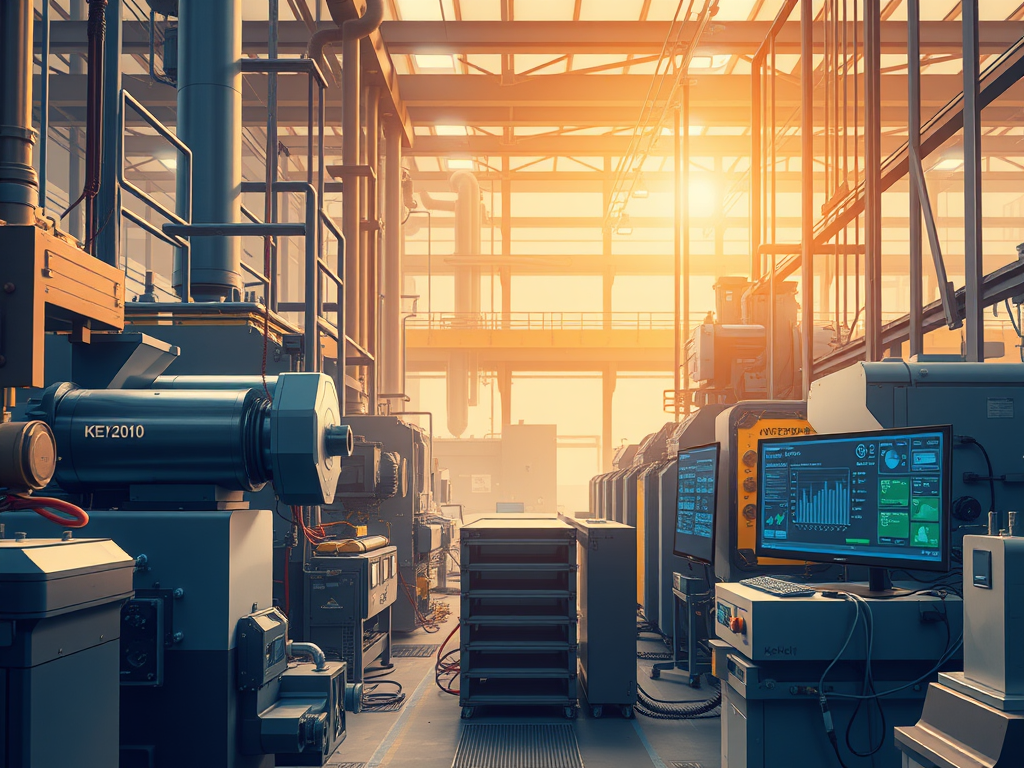
So, here’s a real story from the shop floor to the boardroom: PTC is selling its industrial connectivity and IoT businesses—Kepware and ThingWorx—to TPG, a global private equity firm. This isn’t just another deal in the headlines. For those of us who’ve spent years wiring up plants, connecting legacy machines, and building digital twins that actually work, this is a big moment. Let’s break down what’s happening, why it matters, and what I’ve learned from living through changes like this.
What’s Actually Happening?
PTC, a major player in the manufacturing tech world, announced it’s selling Kepware and ThingWorx to TPG. Kepware is well-known for making industrial connectivity possible—think of it as the “universal translator” for plant equipment, from old PLCs to modern IIoT sensors. ThingWorx is their IoT platform, used for building applications that turn raw machine data into insights and actions.
The deal is set to close in the first half of 2026. Until then, it’s business as usual for customers and partners. PTC says roadmaps and deployments are still on track, and service will continue with the same contacts. After the sale, PTC will still work with Kepware and ThingWorx, especially to support products like Windchill Navigate that rely on ThingWorx tech.
Why Is PTC Doing This?
Here’s the honest truth: focus. PTC wants to double down on its core strengths—CAD (design software), PLM (product lifecycle management), ALM (application lifecycle management), and SLM (service lifecycle management). These are the tools that manage the entire life of a product, from design to end-of-life, and PTC believes that’s where it can deliver the most value, especially as AI and SaaS models take over the enterprise software world.
From what I’ve seen, this is a classic move when a company wants to go deeper and get better at what it’s already good at. PTC’s leadership has talked about making the digital thread—the seamless flow of product data from design to service—their main play. By selling off Kepware and ThingWorx, they can put more resources into making CAD and PLM smarter, more integrated, and more cloud-friendly.
How Strong Are Kepware and ThingWorx in the Market?
Let’s not sugarcoat it: both are heavyweights. Kepware has been the de facto standard for industrial connectivity in plants I’ve worked with for years. It’s the first thing we install when we need to pull data from all sorts of equipment—old, new, proprietary, or open. ThingWorx, on the other hand, is a top-tier IIoT platform. According to the latest IDC MarketScape, PTC (with ThingWorx and Kepware) is recognized as a leader in the industrial IoT market. The platform is praised for its ability to gather, contextualize, and orchestrate real-time data, and for its strong customer success management.
In real life, I’ve seen ThingWorx used to build dashboards for energy monitoring, predictive maintenance apps, and digital twins that actually get used on the plant floor—not just in PowerPoint slides.
What’s TPG’s Track Record in Industrial IoT?
This isn’t TPG’s first rodeo. In fact, they recently agreed to acquire GE Vernova’s Proficy software business for $600 million, planning to spin it out as a standalone manufacturing software provider. Proficy is another big name in industrial software, serving over 20,000 customers. TPG’s approach is to take strong but maybe underinvested assets and give them the capital and focus needed to grow independently.
From what I’ve seen, private equity can be a mixed bag. Sometimes it means tighter budgets and more focus on profitability. But it can also mean faster innovation, more targeted investment, and a real push to win in the market. The fact that TPG is building a portfolio of industrial software businesses (Kepware, ThingWorx, Proficy) suggests they’re serious about this space.
What’s Changing in the Industrial Connectivity Market?
The market for industrial IoT connectivity is only getting hotter. Manufacturers are under pressure to connect more endpoints—machines, sensors, wearables—to unlock value from data. Spending on industrial IoT infrastructure keeps growing, and the focus is shifting to rugged, reliable solutions that can handle harsh plant environments.
At the same time, the market is demanding more from IoT platforms: better integration with AI, more edge computing, and tighter cybersecurity. The IDC MarketScape for 2024 calls out the need for platforms that can deliver data-driven operations, smart automation, and supply chain optimization—all while making sure data is reliable and secure.
What Does This Mean for Us on the Ground?
If you’re running a plant, leading a digital transformation, or just trying to get your machines talking to each other, here’s what I’d watch for:
- No big disruptions—yet. Both PTC and TPG are saying it’s business as usual until the deal closes. In my experience, most customers will see the same products and support teams for the next year or so.
- Long-term investment. If TPG delivers on its promises, we could see Kepware and ThingWorx get more investment, more features, and maybe even better integration with other industrial software.
- Potential for faster innovation. Private equity owners often push for quick wins and innovation. That could mean new connectors, better cloud support, or more AI features.
- Keep an eye on integration. If you’re using PTC’s PLM or CAD tools with ThingWorx or Kepware, watch for updates on how these integrations will be supported long term. PTC says they’re signing a long-term agreement to keep this working smoothly.
My Honest Take
Sometimes, these big deals don’t matter as much as people think—at least in the short term. The tools we use on the plant floor are only as good as the teams deploying and supporting them. I’ve seen great tech go nowhere because of poor change management, and I’ve seen “legacy” tools deliver huge value when the basics are done right.
But, the fact that TPG is collecting some of the most important industrial software assets under one roof could shake up the market. If they can get these platforms to play nicely together—and keep investing in what makes them great—we could see a new wave of innovation in plant connectivity. For now, I’m keeping my eyes open, talking to my usual contacts, and making sure my architectures stay flexible—just in case something big does change.
Leave a Comment