Lately, there’s a lot of talk about Industry 5.0. Some folks say it’s a revolution. Others say it’s just a logical next step after Industry 4.0. I’ve spent the last two decades living through these shifts on plant floors, in boardrooms, and with delivery teams across all sorts of manufacturing. Here’s what I’ve really seen, what’s changed, and what’s still just talk.
What Industry 4.0 Really Meant on the Shop Floor
Industry 4.0 started showing up in my world around 2012, though the seeds were planted a bit earlier. In practice, it meant connecting machines, sensors, and people using digital tools. I remember the first time I saw a real-time OEE dashboard pulling data straight from old PLCs. It was like magic for the plant manager. Suddenly, downtime wasn’t a mystery. You could see it, track it, and, if you were lucky, do something about it.
The core of Industry 4.0 was always about using data to get smarter and faster. We rolled out MES systems, connected historians, and started playing with predictive maintenance. Most of the hard work was integrating old gear with new tech, OPC UA, SCADA upgrades, and cloud connectors. It wasn’t glamorous. But it worked. Efficiency went up. Scrap went down. People started trusting the data more than their gut, at least some of the time.
A lot of the focus was on automation and optimization. The goal was to take humans out of repetitive tasks, or at least let them focus on exceptions. It was about scale and standardization. Most of the time, we were just trying to make sure the data was right and the machines kept running.
So, What’s Supposed to Be Different About Industry 5.0?
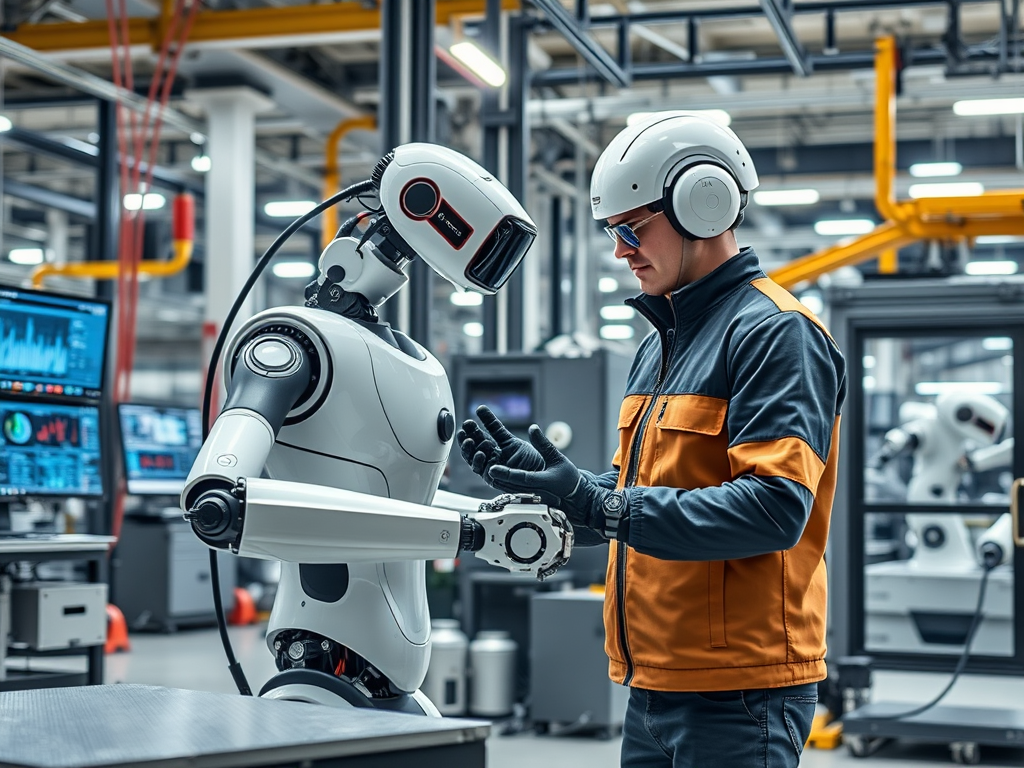
Here’s where things get interesting. Industry 5.0 is getting hyped as the “next revolution,” but it’s not about more automation. It’s about putting people back at the center. The big idea is that humans and machines, especially collaborative robots (“cobots”) and AI, work together, not just alongside each other. This means more personalization, more flexibility, and a bigger focus on sustainability and worker well-being.
Instead of just automating everything, we’re talking about using technology to help people do what they’re best at: solving problems, being creative, and making judgment calls. For example, I’ve seen cobots on assembly lines that stop and wait for a human to finish a tricky step, then pick up where the person left off. Or digital twins that let operators “see” inside a process before making a change, so they can use their experience to make smarter decisions.
There’s also a lot of talk about sustainability. In the past, we focused on throughput and cost. Now, more clients are asking how to reduce energy, cut waste, and make jobs safer or less repetitive. One real example: in a packaging plant, we used machine learning to optimize how much material was used per box, but the final call was always made by the shift lead, who knew when the model was off because of a weird batch of paper. That’s the kind of human-machine teamwork that’s becoming more common.
Evolution or Revolution? What I’ve Actually Seen
If I’m being honest, most plants are still somewhere in the middle. Industry 4.0 isn’t “done” yet. There’s still a lot of legacy equipment, data silos, and manual workarounds. But I have seen a shift in attitude. Five years ago, clients wanted to automate everything. Now, they’re asking how to make the work better for people, less repetitive, safer, and even a bit more interesting.
Is Industry 5.0 a revolution? I don’t think so. It feels more like an evolution, but with a new attitude. We’re still using the same core technologies, IoT, AI, robotics, but now we’re thinking more about how humans fit in. The biggest change is in mindset, not machinery. The best results I’ve seen come from teams that mix tech experts, operators, and process engineers. When you get that mix right, you get smarter factories and happier people.
Real-Life Examples: What’s Working and What’s Not
One manufacturing site I worked with started using AR headsets for remote support. At first, it was just for troubleshooting machines, but then operators started using them to train new hires. It saved time and made onboarding less stressful. Another site brought in cobots for a packaging line. The robots handled the heavy lifting, but the operators still made the final quality checks. Productivity went up, but so did job satisfaction, because people felt more in control.
Not everything is smooth. Sometimes, the tech is ahead of the culture. I’ve seen projects stall because people didn’t trust the AI, or because safety teams weren’t comfortable with humans and robots sharing space. It takes time, training, and a lot of listening to get it right.
My Honest Take
Industry 5.0 is mostly marketing, but the underlying shift is real and important. The best plants are already blending human skill with digital tools. The tech helps, but it’s the people who make the difference. If you just chase the latest buzzword, you’ll miss the point. Focus on making work better for people, and the rest will follow.
Wrapping Up
So, is Industry 5.0 a revolution? Not in the way steam engines or the first computers were. But it’s a real step forward if you use it to make your plant smarter, safer, and more human. In the end, it’s not about the number, it’s about how you use the tech to help people do their best work.
Leave a Comment