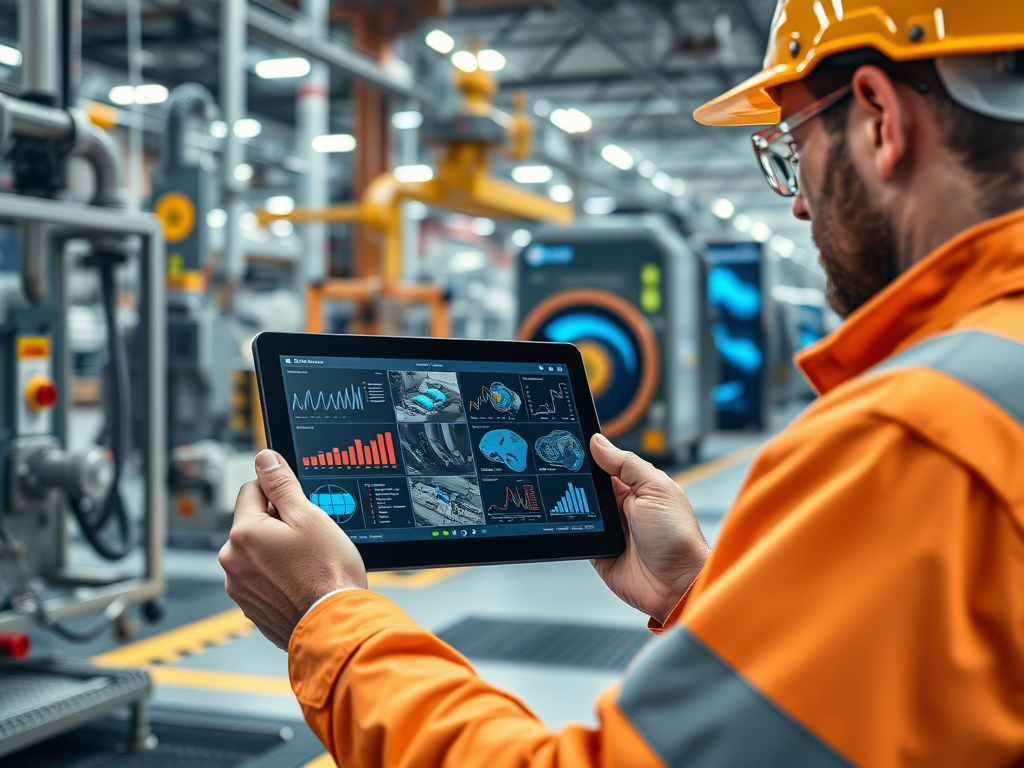
IIoT and AI are changing maintenance and asset tracking; it’s not hype, and it’s not just for big manufacturing conferences. I’ve seen the shift up close, from the early days of connecting a few machines to the reality today—where we connect the whole operation, use real-time data, machine learning, and digital twins to keep plants running smoother, safer, and with less stress for everyone involved.
The Old Way: Chasing Problems and Guessing
Before IIoT and AI, most maintenance was either reactive (wait for something to break) or based on a calendar (fix it whether it needs it or not). I remember walking through a huge automotive plant in the late 2000s, seeing teams with clipboards, checking pumps and motors by ear or touch. Sometimes, they’d catch a problem early. But more often, things failed at the worst possible time—usually when orders were hot and downtime was expensive. We all knew there had to be a better way.
What Changed: Connecting Everything and Using the Data
The first big leap was getting machines, sensors, and systems talking to each other. With Industrial IoT, we started pulling data from PLCs, SCADA, and sensors—temperature, vibration, pressure, you name it—into historians and data platforms. At one large food & beverage site, I saw how just wiring up legacy assets to a historian gave us a new view of what was really happening on the shop floor. We could spot trends, compare lines, and, for the first time, start thinking about predicting failures instead of just reacting to them.
But the real magic happened when we layered AI and machine learning on top. Instead of just looking at trends, we could train models to spot the subtle signs of trouble—an odd vibration pattern, a temperature spike, a drop in current.
At the metals facility, for instance, we can have AI-powered anomaly detection to catch bearing failures weeks before they would cause a shutdown. It will not be perfect at first (false alarms are a thing), but with some tuning and input from the maintenance crew, we have it working well enough to save serious money and headaches.
Digital Twins and UNS: One Version of the Truth
As plants became more connected, the data started piling up—sometimes in silos, sometimes in different formats. We needed a way to organize it all. That’s where concepts like the Unified Namespace (UNS) and digital twins came in. I’ve seen projects where a UNS on top of a MQTT broker was built, so every asset, sensor, and event had a clear place in the data structure. This meant operations, maintenance, and even IT could all “speak the same language” when looking at asset health or planning interventions. Digital twins—virtual models of real machines—let us simulate failures, test what-if scenarios, and train AI models in a safe environment.
One honest opinion: getting UNS and digital twins right is hard. It takes more than just buying software; you need people who understand the plant, the data, and the business. But when it works, it’s a game-changer.
Examples: Food & Beverage, Automotive and Beyond
Let me give you a few examples from my own work and what I’ve witnessed in the field:
Food & Beverage Manufacturing
At a Food & Beverage facility, GxP-compliant IIoT sensors could be deployed on essential assets like centrifuges, HVAC systems, and water systems. Integrating AI with the historical data could shift the approach from routine calendar-based maintenance checks to effective predictive maintenance. This transformation could lead to a reduction in unplanned downtime, the prevention of batch losses, and increased satisfaction for QA teams due to enhanced traceability and validation.
Automotive Plant
In automotive, downtime is brutal—one plant I worked with estimated every hour lost cost over half a million euros. We rolled out sensors for vibration, temperature, and power monitoring across stamping and assembly lines. Using advanced analytics, we could spot failing motors and conveyors before they stopped the line. The biggest lesson? Start small, prove the value, and then scale. When operators see the system catch a real failure, they become your biggest supporters.
Steel, Mining, and Building Materials
I’ve seen similar results in steel mills and mining sites—where assets are often in harsh, hard-to-reach places. Wireless sensors and edge computing made it possible to monitor equipment remotely and reliably. One steelmaker used AI to detect failures before they happened, saving over 30 hours of downtime in just one year. The key was integrating the new tech with existing SCADA and historian systems, not trying to replace everything at once.
Asset Tracking: More Than Just “Where’s My Stuff?”
Asset tracking used to mean barcode scans or RFID tags. Today, with IIoT, we can track not just location but also condition—temperature, humidity, shock, and even usage hours.
In a digitalization project, I’ve seen GPS and condition sensors on returnable containers for a high-tech manufacturer. Not only did we reduce lost assets, but we also optimized cleaning and maintenance schedules, saving both time and money. The honest truth? Sometimes the business case is just as much about process change as it is about technology.
Bonus Topic: Augmented Reality Enhanced by IIoT Data
Maintenance isn’t just about data; it’s about people. In the last few years, I’ve helped deploy HoloLens and Remote Assist for remote troubleshooting and training, transforming the way we approach technical challenges. Instead of waiting for an expert to fly in, a local tech can share what they see, get real-time data from the IIoT platform, effective guidance, and even pull up digital work instructions—right in their field of view.
By leveraging augmented reality, we enable technicians to visualize complex systems and procedures, reducing the learning curve significantly. This innovation not only enhances the efficiency of maintenance tasks but also fosters a culture of continuous improvement and empowerment among staff. It’s not science fiction anymore; it’s saving real money and keeping lines running smoothly, ultimately contributing to the bottom line and ensuring operational success in an increasingly competitive market.
Lessons Learned
If I had to boil down years of experience into a few hard-won lessons:
- Start with a real problem. Don’t chase the latest buzzword. Focus on the assets or processes that hurt the most when they fail.
- Get your data right. Clean, contextualized data is the foundation. A UNS or well-structured historian/data platform makes everything easier.
- Involve the people on the ground. Operators and maintenance techs know the quirks of the plant. Their buy-in is the difference between success and another failed pilot.
- Don’t underestimate compliance and cybersecurity. Especially in food & beverage and pharma, GxP and cybersecurity are non-negotiable. Build them in from day one.
- Iterate and scale. Prove the value with one asset or line, then expand. Celebrate the wins, learn from the misses.
The Bottom Line
IIoT and AI aren’t just changing maintenance and asset tracking—they’re making plants safer, more efficient, and a bit less stressful for everyone. The tech is powerful, but it’s the combination of good data, smart people, and a willingness to change that makes it work. And, if I’m honest, the journey is just as important as the destination. Every plant, every team, every asset has its own story—and that’s what keeps this field interesting.
Leave a Comment