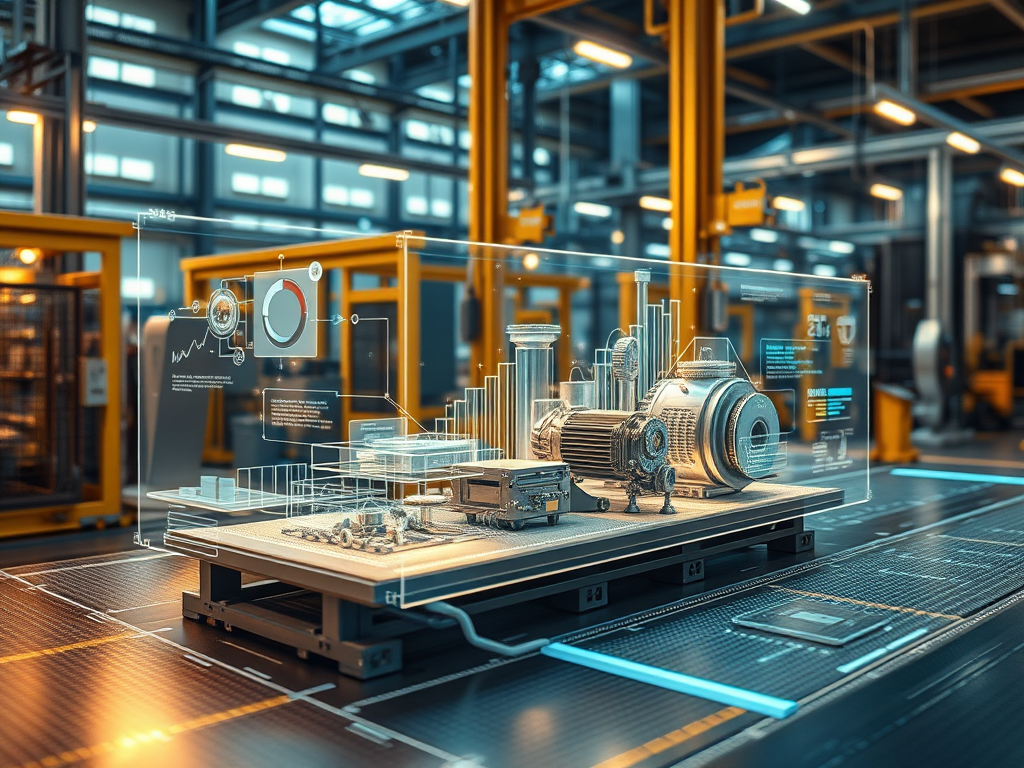
If you’ve spent any time in a plant or a control room, you know there’s a gap between what’s happening on the floor and what’s visible on the screens in the office. That’s the gap digital twins are meant to close. In my own journey — from the days of SAP MII, through the rise of IIoT platforms and now at the heart connectivity programs — I’ve seen digital twins evolve from a buzzword to a practical tool that’s actually making manufacturing smarter and simpler.
What Is a Digital Twin, Really?
Let’s keep it simple: a digital twin is a living, digital representation of something physical — a pump, a packaging line, even an entire factory. But it’s not just a 3D model. It’s fed by real-time data, usually from sensors or control systems, and it’s designed to behave like the real thing. This means you can monitor, simulate, and even predict what’s going to happen, without poking at the actual equipment.
I’ve seen digital twins used for everything from tracking the health of a single dosing pump to simulating the impact of an order change. The key is that the twin is always in sync with reality — or at least, that’s the goal.
Why Bother? The Business Value
The biggest win, in my experience, is transparency. Suddenly, you know what’s happening, why it’s happening, and what might happen next. For example, at a site, we can have digital twins of critical utilities (think water systems and HVAC). This let us predict failures and plan maintenance before things went south, cutting downtime and, honestly, a lot of stress for the maintenance crew.
Digital twins also let you play out “what if” scenarios. You can test a process tweak virtually, see the impact on yield, and avoid expensive surprises. In the food world, where compliance and consistency are non-negotiable, this is gold. We can use digital twins to virtually test process changes, which sped up validation and reduced regulatory headaches.
And yes, there’s an ROI. When you can spot problems early, optimize performance, and avoid unnecessary shutdowns, the savings add up fast. In one case, predictive maintenance powered by a digital twin avoided a single equipment failure that would have cost six figures in lost production. Multiply that across a network of sites, and you see why leadership gets interested.
How Do You Build One? The Technical Nuts and Bolts
The foundation is data — and lots of it. You need real-time data from the shop floor, which usually means connecting to PLCs, SCADA, DCS, or historians. Standards like OPC UA and MQTT are a lifesaver here, letting you pull data from all sorts of legacy and modern systems without going crazy with custom code.
Once you have the data, you need a model. Sometimes it’s a simple asset hierarchy; other times it’s a full semantic model that describes all the relationships, states, and behaviors of your equipment. In one consumer goods project, we started with a digital twin of a dosing pump, including a causality tree built from the collective wisdom of plant engineers. It was basic, but it worked — and it scaled across dozens of plants.
Cloud platforms like AWS and Azure are making this easier. For example, AWS IoT SiteWise lets you model assets, stream data, and visualize performance. These platforms handle the heavy lifting of data ingestion, storage, and security, so you can focus on building useful models and apps.
Where Does It Get Messy? Real-World Challenges
Let’s be honest: it’s never as easy as the vendor slide decks make it look.
- Data Silos and Legacy Junk: Most factories are a patchwork of old and new tech. Getting clean, consistent, real-time data is the hardest part. I’ve worked on sites where we had to negotiate with equipment vendors just to get access to our own data, or where half the machines were so old they didn’t even have Ethernet ports. You end up spending more time on connectivity and data wrangling than on the actual twin.
- Scaling Across Sites: You can build a beautiful twin for one asset, but scaling that across dozens of plants with different systems, naming conventions, and processes? That’s a different beast. Data mesh principles — sharing a common semantic model and reusable “agents” — help, but only if you have strong governance and buy-in from both IT and engineering.
- Resource Constraints: Rolling out digital twins is resource-intensive. Smaller sites with lean teams struggle to keep up with configuration, training, and support. And when you’re competing with other big programs (like MES or ERP rollouts), you have to fight for attention and budget.
- Data Governance: Without clear ownership and good data governance, twins quickly become out of sync with reality. Consistent naming, structuring, and contextualization are critical — and, in my experience, often overlooked until things start to break.
- Transformation Fatigue: Let’s face it, people get tired of “yet another digital program.” Change management is as important as the tech. If you don’t win hearts and minds on the shop floor, adoption stalls.
Lessons Learned (The Hard Way)
A few things I’ve learned, sometimes the hard way:
- Start Small, Scale Smart: Begin with a high-value asset or process, prove the value, and build from there. Don’t try to boil the ocean.
- Focus on Data Quality from Day One: Garbage in, garbage out. Invest in connectivity, standardization, and contextualization upfront.
- Empower Operators and Engineers: The best twins are built with input from the people who know the process. Involving them early builds trust and uncovers edge cases you’d never think of from an office.
- Don’t Skip Governance: Integrated governance across IT, engineering, and business is non-negotiable for scale. Define who owns what, and keep it simple.
- Expect Pushback: Not everyone loves new tech. Listen to concerns, address real worries (like job security or extra workload), and be honest about what the twin can and can’t do.
My Honest Take
Here’s my unpopular opinion: digital twins are not magic. They won’t fix broken processes or bad data. But when you’ve got your basics right — good connectivity, clean data, and engaged people — they are incredibly powerful. I’ve seen digital twins transform maintenance from reactive to proactive, help operators catch problems before they become disasters, and give leadership the real-time visibility they’ve always wanted.
But if you’re just looking for a shiny dashboard, save your money. The real value comes from using the twin to change how you work — to make decisions faster, to learn from every batch or shift, and to close the loop between the physical and digital worlds.
Anyway, that’s what I’ve seen, lived, and learned so far. If you’re thinking about digital twins, start with the problem you want to solve, build from the ground up, and don’t forget the people side. The tech is cool, but it’s the human side that makes it stick.
Leave a Comment