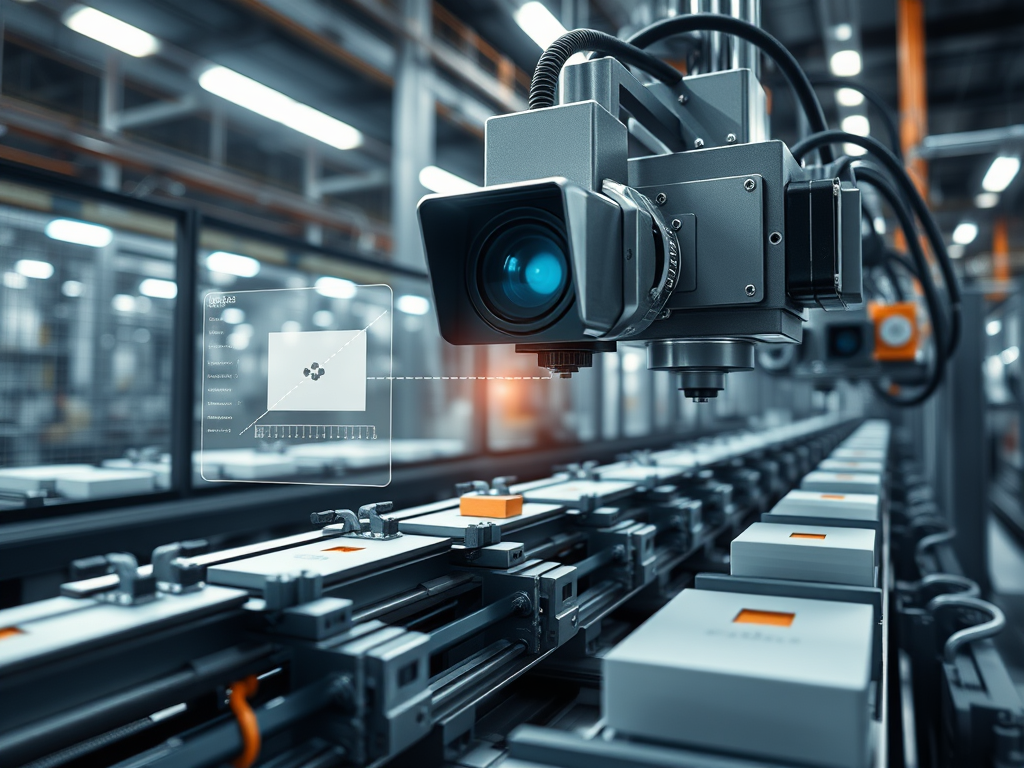
Let’s break it down simply. Edge AI means running artificial intelligence—things like machine learning models—directly on devices at the “edge” of your network. That’s usually right where the machines, sensors, and cameras are, not in some far-off data center. Why do this? Because it lets you process data instantly, make decisions in milliseconds, and avoid the lag and cost of shuttling everything up to the cloud and back down again. Imagine a camera on a production line spotting a defect in real time, or a vibration sensor predicting a motor failure before it happens, all without leaving the plant floor.
Why Edge AI Is a Game-Changer in Manufacturing
I’ve seen a lot of tech trends come and go, but Edge AI tackles some real, gritty problems we face in manufacturing:
- Speed and Latency: Traditional setups send data to the cloud, wait for analysis, and then react. That’s fine for some things, but not when you need to stop a defective product or prevent a machine from breaking down. Edge AI cuts the round-trip time to almost nothing—you get decisions and actions right where and when you need them.
- Bandwidth and Cost: Plants generate a ridiculous amount of data. Streaming all of it to the cloud is expensive and sometimes impossible (especially in remote or regulated environments). Edge AI lets you filter, process, and act on data locally, sending only what’s truly important upstream.
- Security and Compliance: Keeping sensitive production data on-site is a huge win for security and regulatory compliance. Edge AI means less data leaves the building, which makes cybersecurity teams (and auditors) a little less anxious.
- Reliability: Edge devices can keep working even if the internet hiccups. In pharma or food plants, I’ve seen this make the difference between a minor glitch and a major production loss.
Real-World Use Cases: What’s Actually Working
Predictive Maintenance
Edge AI is often introduced first in maintenance because it delivers clear results. A typical setup uses vibration or temperature sensors connected to an edge device running a machine learning model. Small anomalies in equipment behavior are detected early, long before human operators would notice them. When issues are flagged in real time, maintenance teams can intervene before a failure occurs. This reduces downtime, prevents unplanned stoppages, and improves overall reliability.
Quality Control
Edge-based vision systems are changing how quality inspections are done. Instead of relying on random sampling, cameras with AI models examine every product as it moves through the line. In many facilities, this approach is used to detect very small defects—such as tiny cracks or surface irregularities—that are easy to miss during manual checks. Defective items are removed immediately, which limits rework and helps maintain consistent product quality.
Worker Safety
Edge AI can also support safer working environments. Facilities are using edge-powered cameras to monitor restricted zones, hazardous equipment areas, or unsafe behaviors. When something risky occurs, alerts are triggered instantly so that supervisors can react in time. These systems still need careful deployment and communication with the workforce, but they can make a noticeable difference in incident prevention.
Asset Tracking and Workflow Optimization
Edge analytics is being applied to track assets like pallets, tools, or equipment through technologies such as RFID, Bluetooth, or computer vision. Real-time information helps identify bottlenecks, slowdowns, or misplaced items. In many operations, this leads to quicker adjustments on the shop floor and more efficient workflows, often saving several hours each week.
Under the Hood: How It Works
Most edge AI setups I’ve seen use a mix of industrial PCs, embedded gateways (sometimes with ARM or x86 chips), and specialized accelerators (think Nvidia Jetson or Intel Movidius). You deploy trained AI models—like convolutional neural networks for vision or anomaly detection models for sensors—onto these devices. They connect to PLCs, SCADA, or MES systems using protocols like OPC UA, MQTT, or even good old Modbus.
I’ve seen teams using a “unified namespace” architecture—basically a shared data layer where all machine, sensor, and process data lives. This makes it easier to plug in new edge AI apps without rewriting everything. It’s not magic, but it beats the spaghetti integration we used to live with.
The tech is ready, but success depends on basics—good data, engaged teams, and solid change management, and sometimes, simpler is better. Not every problem needs deep learning or fancy edge boxes. Start with the basics—get your data clean, automate what you can, and then layer on AI where it really adds value.
What’s Next?
Edge AI adoption is only accelerating. Analysts predict that by 2026, three-quarters of large manufacturers will rely on AI-driven processes at the edge to boost efficiency and quality. We’re seeing more plug-and-play solutions, better tools for deploying and updating models, and tighter integration with MES and cloud platforms.
But the real transformation isn’t about the tech—it’s about people. The best projects I’ve seen are the ones where operators, engineers, and IT work together, trust the data, and use AI as a tool, not a crutch.
Final Thoughts
Edge AI is making IIoT real—right now, on real shop floors, with real benefits. It’s not hype; it’s hands-on, gritty progress. If you’re thinking about it, start small, focus on real pain points, and don’t be afraid to get your hands dirty.
Leave a Comment